


The Hidden Problems Behind Stained and Discolored Grout
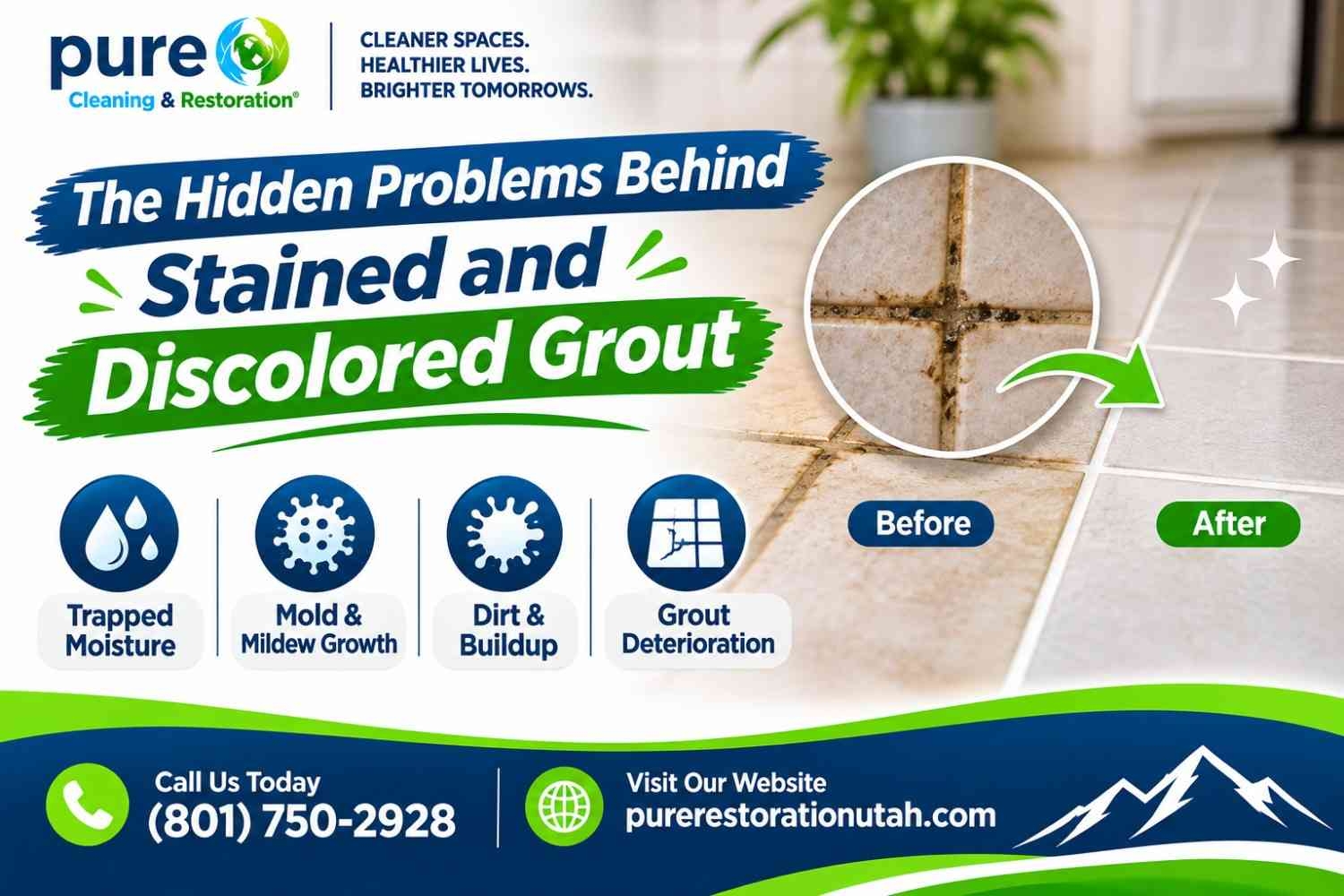
Grout may seem like a small part of your flooring, but it plays an important role in keeping tiles looking clean and well-maintained. Over time, you may notice that the grout between your tiles starts turning yellow, brown, black, or even darker than its original color. While these changes may look like ordinary dirt, they can sometimes point to deeper problems.
Stained and discolored grout is not always caused by poor cleaning habits. Moisture, mold growth, soap residue, grease, and everyday foot traffic can all affect its appearance. If these issues are ignored, they may lead to unpleasant odors, hygiene concerns, and damage to surrounding surfaces.
Understanding what causes grout discoloration can help homeowners and business owners take the right steps before a small cleaning problem becomes a bigger concern.
1. Moisture Can Cause Hidden Problems
One of the most common reasons for grout discoloration is excessive moisture. Bathrooms, kitchens, laundry rooms, and other damp areas are especially vulnerable.
When water regularly enters grout lines, it can create conditions where mold and mildew grow. You might notice dark patches, black spots, or a musty smell around tiled surfaces.
The problem is that moisture does not always remain on the surface. Sometimes it travels beneath the tiles or collects in areas that are difficult to see.
To prevent moisture-related problems:
-
Dry wet floors after showers or spills.
-
Keep bathrooms properly ventilated.
-
Repair leaking pipes and faucets.
-
Check damaged grout lines regularly.
-
Avoid allowing standing water to remain on tiled floors.
If discoloration keeps returning after cleaning, it may be worth investigating the source of moisture.
2. Mold and Mildew Can Affect Indoor Cleanliness
Dark grout lines can sometimes indicate mold or mildew growth, particularly in places that remain damp for long periods.
Bathrooms, shower corners, kitchen backsplashes, and basement floors are common areas where these problems develop. Apart from affecting the appearance of your tiles, mold growth can contribute to unpleasant odors and indoor air quality concerns.
Simply wiping the surface may not solve the problem if moisture continues to enter the affected area.
Proper cleaning and moisture control are important. If mold is widespread or keeps returning, professional inspection and appropriate remediation may be necessary.
3. Everyday Dirt Slowly Changes Grout Color
Grout is naturally porous, which means it can absorb dirt, dust, oils, and other materials over time.
Everyday activities such as walking with dirty shoes, cooking, moving furniture, and cleaning with unsuitable products can gradually change its original color.
For example, kitchen grout may become darker because of cooking grease, while entryway grout can collect outdoor dirt and dust.
Regular sweeping and mopping can help, but ordinary household cleaning may not remove deeply embedded dirt.
This is where a professional tile grout cleaning service utah property owners can rely on may help restore the appearance of heavily soiled grout lines.
4. Incorrect Cleaning Products Can Make Discoloration Worse
Many people believe that using stronger cleaning chemicals will produce better results. However, this is not always true.
Certain harsh cleaners can damage grout, affect its color, or weaken the surrounding tile surfaces when used incorrectly.
Using too much cleaning solution can also leave residue behind. Over time, this residue may attract more dirt and make grout look dull or dirty again.
Before using a cleaning product, always check whether it is suitable for your tile and grout type.
A few helpful cleaning habits include:
-
Avoid mixing different cleaning chemicals.
-
Follow the product's instructions carefully.
-
Use suitable brushes instead of extremely abrasive tools.
-
Test cleaning solutions on a small, hidden area.
-
Rinse away cleaning residue properly.
Choosing the correct cleaning method can help protect your flooring while improving its appearance.
5. Grease and Soap Residue Build Up Over Time
Not all grout stains come from dirt or mold. Grease and soap residue can also create stubborn discoloration.
In kitchens, cooking oils and food spills can settle into grout lines. In bathrooms, soap scum, shampoo, and mineral deposits can gradually build up around showers and bathtubs.
These deposits may leave grout looking yellow, brown, or cloudy.
Regular surface cleaning helps reduce buildup, but older stains may require specialized cleaning techniques.
Professional Grout Services can help address stubborn residue and improve the overall appearance of tiled areas without relying on unsuitable household cleaning methods.
6. Discolored Grout Can Affect Commercial Spaces
Grout discoloration is not just a residential problem. Businesses with tiled floors often experience similar issues because of heavy daily foot traffic.
Restaurants, hotels, offices, retail stores, and commercial kitchens can collect dirt, grease, and spills much faster than residential properties.
Dirty grout lines can make an otherwise clean business environment look poorly maintained. This may also affect the impression customers have when they enter your premises.
For businesses with large tiled areas, commercial tile & grout cleaning can be an effective way to address accumulated dirt and maintain a cleaner-looking environment.
Regular maintenance is especially important in high-traffic areas where ordinary mopping may not reach deeply embedded grime.
7. Damaged Grout May Allow Water to Reach Beneath Tiles
Sometimes, discoloration is not simply a cleaning issue. Cracked, missing, or deteriorating grout can allow water to enter gaps between tiles.
This can create additional problems, including:
-
Loose or shifting tiles.
-
Moisture accumulation beneath flooring.
-
Damage to nearby surfaces.
-
Recurring mold or mildew problems.
-
Costly repairs if the damage spreads.
If grout is cracking, crumbling, or falling out, cleaning alone will not fix the underlying issue.
Damaged sections may need repair or replacement to help protect the tiled surface from further moisture problems.
8. How Can You Keep Grout Looking Cleaner for Longer?
Preventive maintenance is usually easier than dealing with years of accumulated stains.
Here are some simple habits that can help:
Clean spills quickly: Food, drinks, oils, and other liquids can leave stains if they remain on grout for too long.
Sweep regularly: Removing loose dirt prevents it from becoming trapped in grout lines.
Use suitable cleaning products: Always choose products designed for your specific tile and grout material.
Control moisture: Keep bathrooms and other damp spaces ventilated.
Inspect grout regularly: Look for cracks, dark patches, missing sections, and recurring discoloration.
Consider professional cleaning: Deeply embedded dirt may require specialized equipment and cleaning solutions.
These small steps can help maintain your tiled surfaces and reduce the chances of stubborn discoloration.
9. When Should You Call Professional Grout Cleaners?
Home cleaning methods can work well for minor surface stains. However, some grout problems require more attention.
You may want to consider professional help when:
-
Stains remain after regular cleaning.
-
Grout becomes dark or discolored repeatedly.
-
Mold or mildew keeps returning.
-
Large tiled areas have heavy dirt buildup.
-
Household cleaning products are not producing results.
-
You notice cracks or deterioration in grout lines.
Professional cleaners can assess the condition of the surface and choose an appropriate cleaning method based on the tile and grout material.
Pure Cleaning and Restoration understands the importance of maintaining clean and presentable property interiors. With appropriate cleaning methods and professional attention, property owners can address stubborn grout buildup and keep their tiled surfaces looking better.
Frequently Asked Questions (FAQs)
1. Why does grout become discolored over time?
Grout can become discolored because of dirt, moisture, mold, grease, soap residue, and everyday foot traffic. Since grout is porous, it can absorb these materials and gradually lose its original color.
2. Can stained grout be restored to its original appearance?
In many cases, professional cleaning can significantly improve the appearance of stained grout. However, results depend on the type of stain, grout condition, and how deeply the discoloration has penetrated.
3. Is black grout always a sign of mold?
No. Black or dark grout can result from accumulated dirt, grease, or other staining materials. However, if dark patches appear in damp areas alongside a musty smell, mold may be a possibility.
4. How often should tile grout be professionally cleaned?
Cleaning frequency depends on foot traffic, usage, and the condition of the tiled area. Busy commercial spaces may need more frequent attention than residential floors.
5. Can harsh cleaning chemicals damage grout?
Yes. Some strong chemicals can affect grout color, weaken the material, or damage certain tile finishes. Always use products suitable for your flooring.
6. What is the difference between grout cleaning and grout repair?
Grout cleaning removes dirt, stains, and buildup from existing grout. Grout repair involves fixing or replacing damaged, cracked, or missing grout sections.
7. Is professional grout cleaning useful for commercial properties?
Yes. Professional cleaning can help remove accumulated dirt and grease from high-traffic tiled areas, improving their overall appearance and supporting regular property maintenance.
Conclusion
Stained and discolored grout may look like a minor flooring issue, but it can sometimes reveal deeper problems involving moisture, mold, grease buildup, or damaged grout lines. Ignoring these signs can make maintenance more difficult over time.
The best approach is to identify the cause, follow proper cleaning practices, and address any underlying damage before it becomes more serious. Whether you are maintaining a residential bathroom or a busy commercial property, regular grout care can make a noticeable difference in the cleanliness and appearance of your tiled surfaces.
Professional cleaning from Pure Cleaning and Restoration can help property owners tackle stubborn buildup and maintain cleaner-looking tile and grout.

