


How Patient Positioning Gel Pads Keep You Safe and Comfortable During Surgery
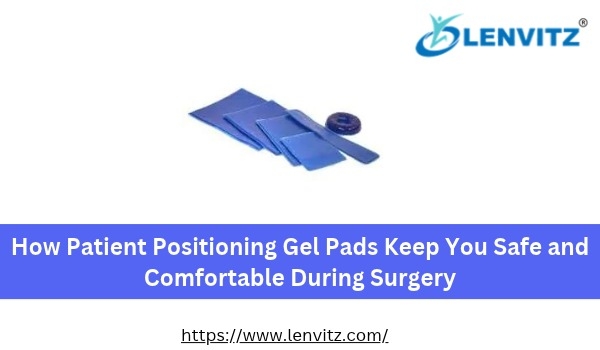
When preparing for surgery, most people think about the surgeon, the anesthesia, and the recovery process. However, one of the most important parts of a successful operation happens before the procedure even begins: how the patient is positioned on the operating table. Lying completely still on a hard surface for hours can put intense pressure on the body. To prevent discomfort and serious injuries, hospitals rely on Patient Positioning Gel Pads.
What Are Medical Gel Pads?
In simple terms, medical gel pads are soft, flexible cushions placed between a patient’s body and the hard surface of the operating table. Unlike standard foam pillows that flatten out under body weight, specialized silicon gel pads are designed to mimic human tissue. They gently cradle the body, absorbing shock and evenly distributing weight across a wider surface area.
Because they are made from medical-grade silicone, these pads are non-toxic, latex-free, and easy to sanitize between surgeries. They also help maintain a stable body temperature and do not absorb bodily fluids, making them an essential tool in modern operating rooms.
Why Surgical Positioning Matters for Everyone
Whether a surgery lasts thirty minutes or eight hours, staying in one position cuts off normal blood flow to areas where bones press against the table—such as the heels, elbows, hips, and back of the head. Without proper support, patients can wake up with painful pressure sores, muscle strain, or even temporary nerve damage.
By using ot table positioning gel pads, surgical teams create a protective barrier that keeps blood circulating freely. For the everyday patient, this means waking up from anesthesia with fewer aches, faster recovery times, and a much lower risk of post-surgery complications.
Key Areas Protected During Surgery
Depending on the type of procedure, a patient may need to lie on their back, stomach, or side. Surgical teams use different shapes of gel pads to protect vulnerable spots:
-
Head and Neck: Contoured head rings keep the airway open and prevent neck strain.
-
Arms and Elbows: Armboard pads protect the sensitive ulnar nerve—often called the "funny bone"—from numbness or tingling after surgery.
-
Heels and Ankles: Heel cups lift the feet slightly off the table to stop painful blisters and skin breakdown.
-
Torso and Hips: Chest rolls and hip pads support the spine and allow easy breathing when a patient is lying face down.
The Lasting Benefits of Silicon Gel Pads
The use of high-quality silicon gel pads benefits both the medical team and the patient. For surgeons and nurses, these pads keep the patient securely in place without slipping, even when the operating table needs to be tilted during delicate procedures.
For patients and their families, knowing that ot table positioning gel pads are part of standard surgical care offers valuable peace of mind. While you are asleep under anesthesia, Patient Positioning Gel Pads work quietly behind the scenes to protect your skin, nerves, and joints—ensuring you wake up safely and focus entirely on healing.

