


Factors to Consider Before Renting Heavy Construction Equipment
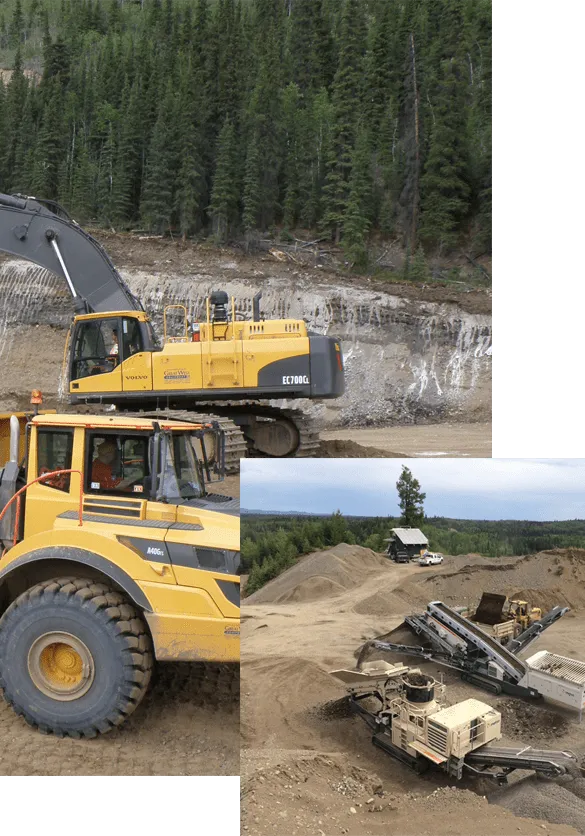
Construction projects require careful planning, especially when selecting machinery for different tasks. Renting equipment can be a practical solution for contractors who want access to reliable machinery without the financial commitment of purchasing it. However, choosing the right equipment involves more than comparing rental prices. Factors such as project requirements, equipment condition, rental terms, safety standards, and operational costs should all be evaluated before making a decision.
1. Understand Your Project Requirements
Before selecting machinery, clearly identify the tasks that need to be completed. Different construction activities require specific types of equipment. For example, excavators are suitable for digging and earthmoving, while bulldozers are commonly used for land clearing and grading. Cranes are essential for lifting heavy materials, whereas loaders help transport materials across construction sites.
2. Evaluate Equipment Size and Capacity
Selecting machinery with the appropriate size and capacity is essential for maintaining productivity. Equipment that is too small may struggle to complete demanding tasks, resulting in delays and increased operating time. On the other hand, oversized machinery may be difficult to operate in restricted spaces and could increase transportation and fuel expenses.
Review important specifications such as lifting capacity, operating weight, digging depth, engine power, and load limits. Matching these specifications with the project's requirements helps ensure that machinery performs effectively without creating unnecessary complications.
3. Inspect Equipment Condition and Maintenance History
The condition of rented machinery can significantly influence project performance. Before accepting equipment, inspect its major components, including the engine, hydraulic systems, tires, tracks, brakes, and safety features. Look for visible damage, fluid leaks, unusual noises, or signs of excessive wear.
It is also helpful to ask the rental provider about maintenance schedules, service records, and previous repairs. Well-maintained equipment is generally more reliable and reduces the likelihood of unexpected breakdowns. Requesting a demonstration before finalizing the agreement can also help identify potential operational issues.
4. Compare Rental Costs and Additional Charges
Rental prices are an important consideration when managing construction budgets. However, the lowest advertised price does not always represent the most economical option. Some providers may charge additional fees for transportation, fuel, cleaning, insurance, operator services, or equipment maintenance.
When comparing Heavy Equipment Rentals, review the complete pricing structure rather than focusing only on the daily or weekly rental rate. Ask whether the agreement includes delivery, collection, servicing, and replacement equipment in case of mechanical failure. Understanding these expenses in advance helps contractors avoid unexpected costs and maintain better financial control.
5. Review Rental Duration and Contract Terms
The rental period should match the project's expected schedule. Renting machinery for too short a period may result in extension charges, while keeping equipment longer than necessary can increase overall expenses. Estimate how long each machine will be required and discuss flexible rental arrangements with the provider.
Carefully review the contract before signing. Pay attention to payment schedules, cancellation policies, late-return penalties, damage responsibilities, and conditions for extending the rental period. Clear agreements help prevent misunderstandings and support smoother project management.
6. Consider Transportation and Site Accessibility
Moving heavy machinery between rental facilities and construction sites requires proper transportation arrangements. Large equipment may need specialized trailers, permits, and experienced transportation providers. These requirements can affect both the project schedule and overall budget.
Site accessibility should also be evaluated before selecting machinery. Narrow entrances, uneven ground, limited working space, and overhead obstructions may restrict the use of certain equipment. Choosing machinery that can safely access and operate within the available space helps prevent logistical difficulties.
7. Prioritize Safety and Operator Requirements
Construction equipment must meet appropriate safety standards to protect workers and maintain efficient operations. Check whether the machinery includes functioning emergency stops, backup alarms, seat belts, protective guards, and other necessary safety features.
Operators should also have the appropriate training and experience to handle the selected machinery. Some equipment requires specialized certification or specific operating knowledge. When arranging Heavy Equipment Rentals, confirm whether the provider offers operator training, operating instructions, or technical support to help maintain safe working conditions.
8. Check Customer Support and Equipment Availability
Reliable customer support is particularly important when unexpected equipment problems occur. Delays caused by mechanical failures can affect several activities across a construction site. Therefore, choose a rental provider that offers timely assistance, repair services, and replacement machinery when necessary.
It is also advisable to confirm equipment availability before finalizing project schedules. Booking machinery in advance can help avoid last-minute shortages, particularly during busy construction periods.
Conclusion
Choosing a dependable provider for Heavy Equipment Rentals can improve operational efficiency, control project expenses, and minimize unexpected disruptions. With proper planning and informed equipment selection, construction teams can complete their work more safely and achieve better project outcomes.

