


Rongeurs: Uses, Design, and Importance in Surgical Procedures
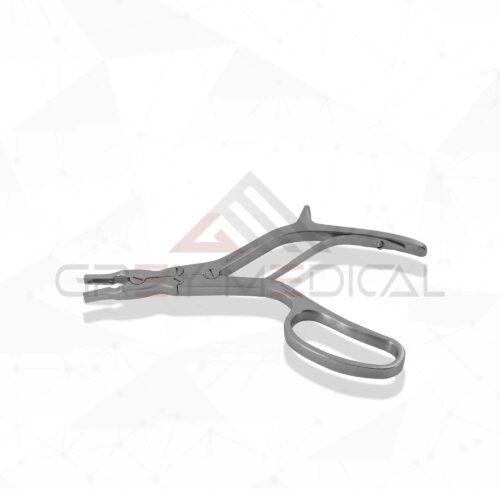
Rongeurs are specialized surgical instruments designed to remove or trim small portions of bone and other hard tissue during surgical procedures. Surgeons commonly use these instruments in orthopedic, neurosurgical, and other surgical settings where precise tissue removal is required. Moreover, their distinctive jaw design allows medical professionals to work with controlled movements in areas that require careful handling. Understanding the construction, applications, features, and maintenance of rongeours helps healthcare professionals recognize their importance in modern surgical instrument collections.

Understanding Rongeurs and Their Purpose
Rongeurs are surgical instruments used primarily for biting, cutting, and removing small pieces of bone or hard tissue. They generally feature strong jaws, elongated handles, and a mechanism that transfers hand pressure to the working end. Consequently, their design allows surgeons to remove tissue in controlled increments rather than relying on broad cutting movements.
These instruments are available in different shapes, sizes, and jaw configurations. For example, some rongeurs feature straight jaws, while others incorporate curved or angled designs to improve access to specific anatomical areas. Furthermore, the working end may have different cutting profiles depending on the instrument's intended application.
The rongeours category includes several instrument patterns developed for particular surgical needs. Therefore, medical professionals should understand the instrument's specifications and intended use before selecting it for a procedure.
Design and Construction of Rongeurs
Rongeurs typically feature two handles connected to a working jaw mechanism. When the user applies pressure to the handles, the jaws move together and perform the intended cutting or biting action. Additionally, some designs incorporate a spring mechanism that helps return the handles to their original position after each movement.
Manufacturers commonly use medical-grade stainless steel to produce reusable rongeurs. This material supports durability, corrosion resistance, and compatibility with appropriate cleaning and sterilization procedures. However, the instrument's performance also depends on its manufacturing quality, jaw alignment, cutting edges, and mechanical condition.
The jaws may feature different shapes and sizes to accommodate specific surgical requirements. Some models include compact working ends for restricted spaces, whereas others offer larger jaws for applications that require a broader cutting capacity.
Moreover, handle design can influence comfort and control. Ergonomically designed handles may help professionals maintain a stable grip during use. As a result, the overall construction of rongeours combines mechanical functionality with the requirements of surgical precision.
Applications of Rongeurs in Surgical Settings
Rongeurs are commonly associated with orthopedic and neurosurgical procedures involving bone removal or trimming. Surgeons may use these instruments to remove small bone fragments, shape bone edges, or perform other tasks that require controlled tissue removal, depending on the instrument pattern and procedure.
In orthopedic surgery, rongeurs may assist with bone preparation and removal of selected bone structures. Similarly, in certain neurosurgical procedures, specialized rongeurs may help surgeons work around anatomical structures where access and precision are particularly important.
Furthermore, different instrument patterns can provide access to specific surgical areas. Curved, angled, and straight designs allow medical professionals to select an instrument that suits the operative field. Nevertheless, the choice of rongeur depends on the procedure, anatomical requirements, and professional judgment.
Because these instruments have cutting jaws, healthcare professionals must handle them carefully and follow established surgical protocols. Appropriate training and instrument selection remain essential for safe and effective use.
Benefits and Features of Rongeurs
One of the major advantages of rongeurs is their ability to remove small portions of bone through controlled mechanical action. Unlike instruments designed for broader cutting applications, rongeurs typically allow incremental removal of hard tissue. Therefore, they can be useful in surgical procedures where controlled bone shaping or removal is required.
Their different jaw configurations also provide versatility. For instance, straight jaws may suit particular access requirements, while curved or angled designs may offer different working positions. Additionally, their mechanical construction allows users to apply pressure through the handles to the working jaws.
Durability is another important consideration. Well-manufactured surgical instruments can support repeated use when professionals follow the appropriate processing and maintenance guidelines. Consequently, healthcare facilities should carefully evaluate the quality, specifications, and performance of their surgical instruments.
Cleaning and Maintenance of Rongeurs
Proper cleaning and maintenance help preserve the quality and functionality of surgical rongeurs. After use, healthcare professionals should follow the manufacturer's instructions and their facility's validated procedures for cleaning, disinfection, and sterilization.
First, staff should ensure that the instrument undergoes thorough cleaning to remove biological material and debris. Next, they should inspect the cutting jaws, joints, handles, and mechanical components for visible damage or irregularities. In addition, they should check for corrosion, wear, jaw misalignment, or reduced cutting performance.
Since rongeurs rely on functional cutting jaws and mechanical movement, routine inspection is especially important. Instruments with damaged or compromised cutting surfaces should be evaluated and removed from service when necessary.
Finally, appropriate storage helps protect instruments from unnecessary damage. Proper maintenance practices can support instrument longevity and help healthcare facilities maintain organized surgical inventories.
Grey Medical® and Surgical Instrument Quality
Grey Medical® is a privately owned medical technology company dedicated to innovation and excellence in the craft of surgical instrument. The company recognizes the importance of precision, durability, and practical design in surgical instruments used across different medical specialties.
Healthcare professionals and procurement teams consider several factors when selecting surgical instruments, including material quality, construction, intended applications, functionality, and maintenance requirements. Therefore, understanding the design and characteristics of instruments can help support informed purchasing decisions.
At Grey Medical®, the importance of dental instruments quality reflects the broader needs of healthcare professionals who depend on properly designed equipment for their clinical environments. The rongeours category highlights the value of specialized instrument designs that support particular surgical applications.
Conclusion
Rongeurs are essential specialized surgical instruments used for controlled bone and hard-tissue removal in selected surgical procedures. Their cutting jaws, mechanical handle design, and variety of configurations make them useful across different surgical specialties. Moreover, appropriate instrument selection, careful handling, inspection, cleaning, and sterilization help maintain their functionality and quality. By understanding the characteristics of rongeours, medical professionals can better appreciate their role in surgical instrument collections and the importance of selecting suitable instruments for specific clinical applications.

